
CHONGQING, China / JOHANNESBURG — November 2026 — As international student flows into China rebound to record levels, a Hong Kong-registered education-technology group is making a contrarian wager on how that market should be structured: strip out the middle layer entirely, and sell the trust infrastructure instead.
Learning to the East, operated by China Learning to the East International Education and Culture Group, has launched its Global Enrollment Smart System — a digital platform that consolidates program discovery, student lifecycle services, institutional coordination and compliance screening into a single pipeline connecting Chinese training institutions with international students, with a strategic focus on African markets.
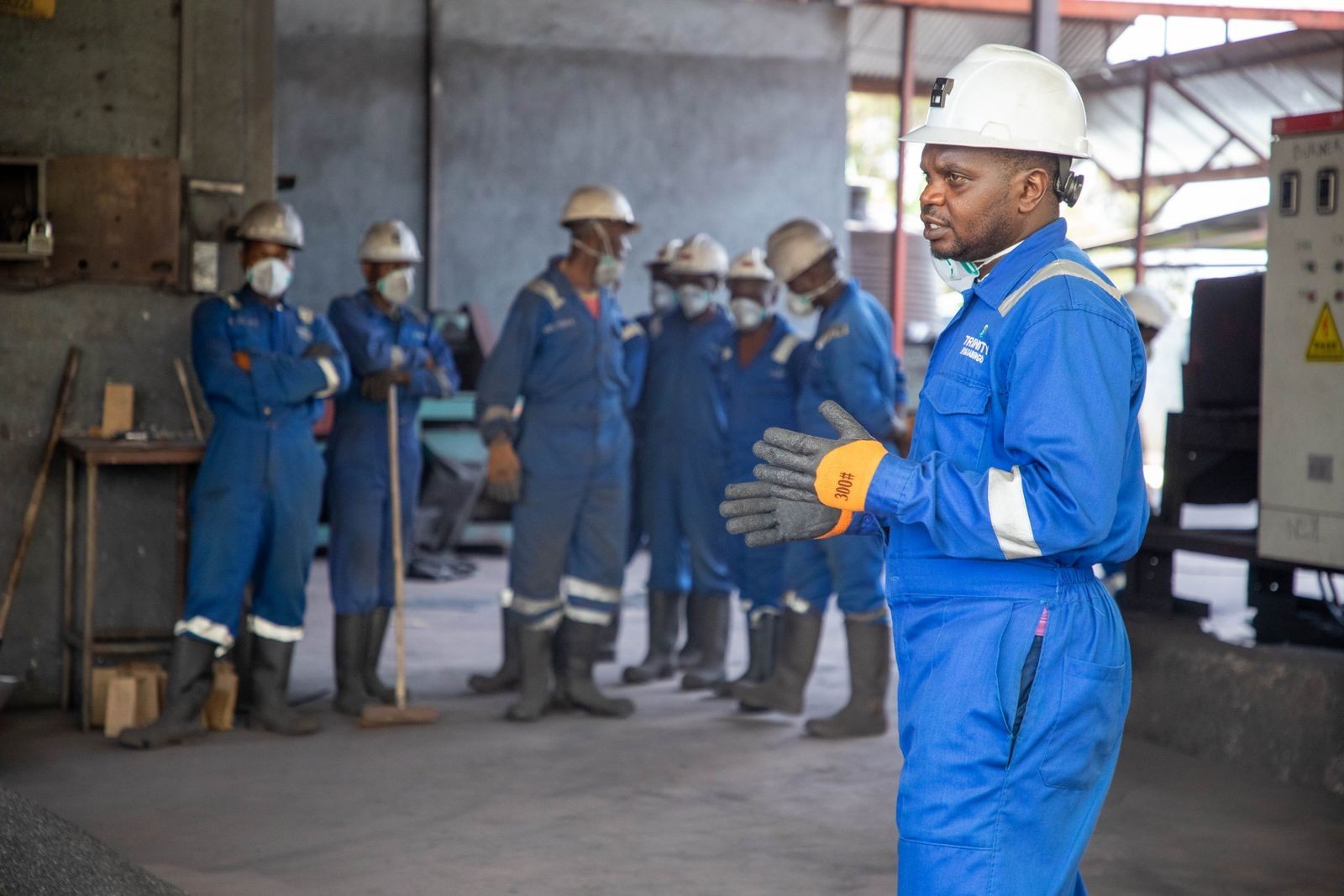
The group's commercial architecture is unusual for the sector. It does not take commissions on tuition, does not share in institutional revenue, and charges no franchise fees. Chinese partner institutions — currently 23 colleges across China — set their own prices, and settlement flows directly between the student's payment and the institution.
The group monetizes through platform services: enrollment processing, training delivery coordination, certification services, and employer-funded training orders. The logic is that an intermediary's margins depend on opacity, while a platform's margins depend on volume and reliability — and opacity is precisely what has historically discouraged large-scale African student mobility to China.
"Compliance capability is not a constraint on our business. It is our business," says chairwoman Liu Tingting, who is also a practising commercial lawyer. The group screens every applicant's credentials through a verification layer and explicitly declines to process packaged or falsified documentation — a stance that, in a sector periodically rocked by agent fraud scandals, doubles as brand positioning.
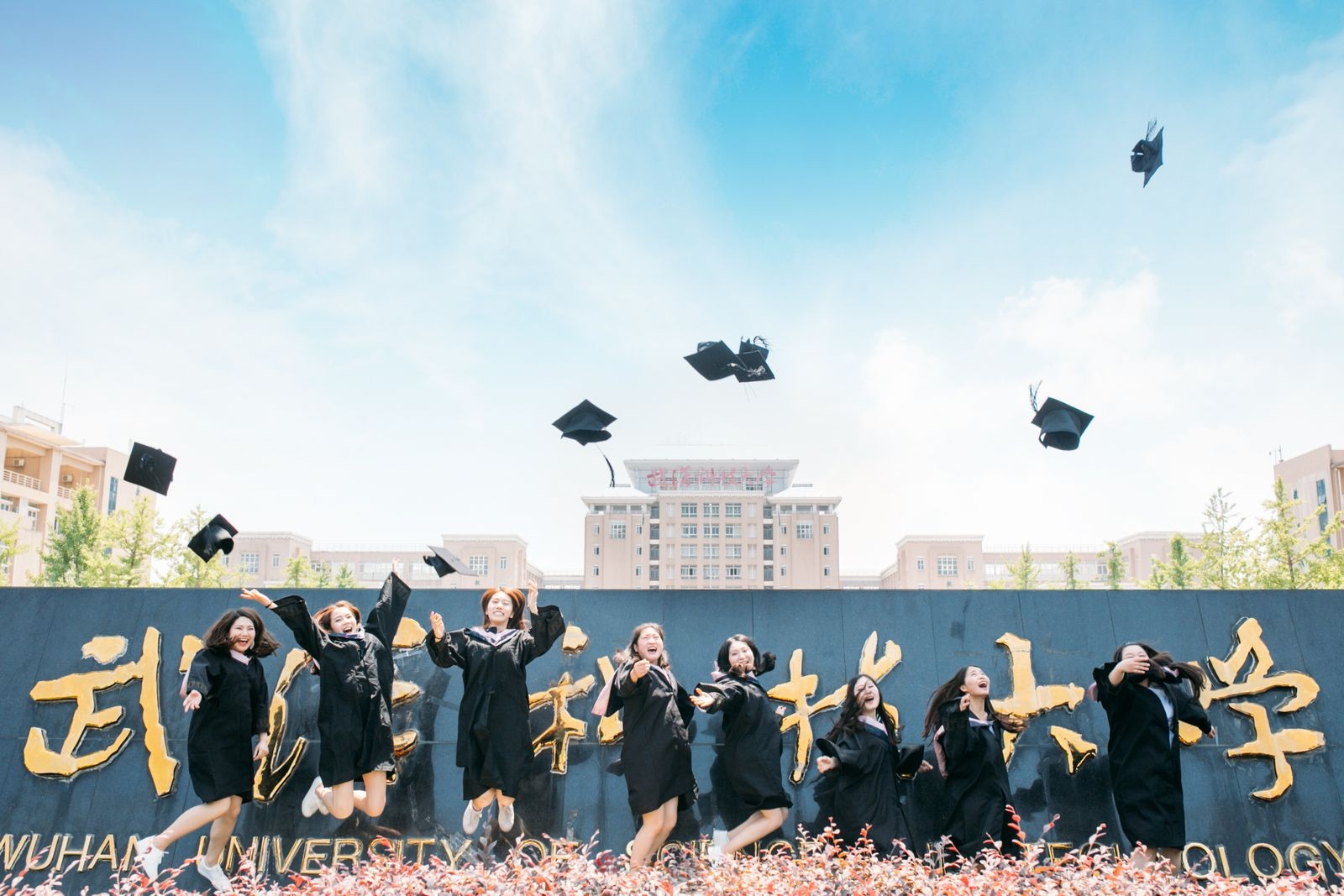
The group's growth thesis rests on two converging trends.
First, vocational education is emerging as the fastest-growing segment of China's inbound international education market. While traditional degree recruitment has plateaued among some source markets, demand for short-cycle, employment-linked technical training — advanced manufacturing, new energy, e-commerce, logistics, elder care — is rising, particularly from markets with young workforces.
Second, Africa's demographic trajectory is unmatched: sub-Saharan Africa will add more working-age people in the next two decades than the rest of the world combined. The group is positioning China's government-listed vocational training system — 422 programs in its own catalogue alone, all mapped to national occupational standards — as a credible, certifiable answer to the continent's skills gap.

What distinguishes the group from digital-only competitors is physical infrastructure: three wholly-owned subsidiaries in Nigeria, Ghana and Iraq, functioning as local recruitment, training-coordination and certification-service points. The cooperation network spans 5 countries and 23 Chinese partner institutions, with training delivery across 13 Chinese cities.
The system's four engines — program library, student lifecycle services, institution coordination, and compliance — are accordingly built around verifiable process: monthly rolling intakes, pre-review of eligibility before any payment, direct settlement, and a structured employment service offering up to three rounds of job recommendation with a stated RMB 8,000 (approx. USD 1,100) monthly salary floor for placed candidates.
For employers, the group operates a parallel line of business — the "L2E Workshop" — that takes training orders from companies and builds curricula to those orders, effectively selling workforce development as a managed service across borders.

The group states three priorities for its next phase: extending the enrollment system to more partner institutions across its five-country network; deepening the African market through its Nigerian and Ghanaian subsidiaries; and expanding the "Belt and Road" international skills certification framework through overseas service stations.
The bet is straightforward: in a market where every competitor claims quality, the durable competitive asset is auditable process — and the company that owns the trust layer owns the flow.
About Learning to the East: Registered in Hong Kong, the group operates a global vocational skills training and certification network built on three commitments — co-building Chinese vocational education overseas, operating employer-order training workshops, and helping Chinese institutions enroll international students, with no agency middle layer, no revenue-sharing and no franchise fees.
Media & partnership contact: www.learn2east.com | [email protected] | Overseas cooperation: +86 186 2350 8182
*This press release was distributed on behalf of China Learning to the East International Education and Culture Group.*

United News - unews.co.za